
Planner’s guide · AI films
How an AI film is made
AI changes how pictures are made, but a film still needs an idea, a story, a director’s eye, an edit and sound. This is how Equidim takes a film from the brief to the final cut, and what you decide at each step.
Ask us a question All the guides
The five steps
Client brief
We agree what the film is for, who it is for and where it will play. A 37-second upright phone film and a wide stage film need different shots.
Story and concept
We set out the storyline, scenes, key moments and look. This is the easiest time to change direction.
Creative presentation
You see the concept and approve it before production.
Technical storyboards
Each scene is planned: its mood, main moment and visual language.
Final result
The shots are made, chosen, edited, graded and finished with sound.
What AI changes, and what it doesn’t
It changes
- The places you can show: another planet, or a journey between landscapes
- When you can see an idea: early frames can be close to the final look
- How shots are made: many versions are generated, then most are rejected
It doesn’t change
- A film needs one clear idea
- Someone has to direct it and say no to weak shots
- People, products and logos have to stay the same from shot to shot
- Rhythm comes from the edit, and much of the feeling comes from sound
That is why we say technology moves fast, but taste leads.
Two films, two shapes
Found on Mars is an upright brand film led by its story. It holds the product back until its last seconds.
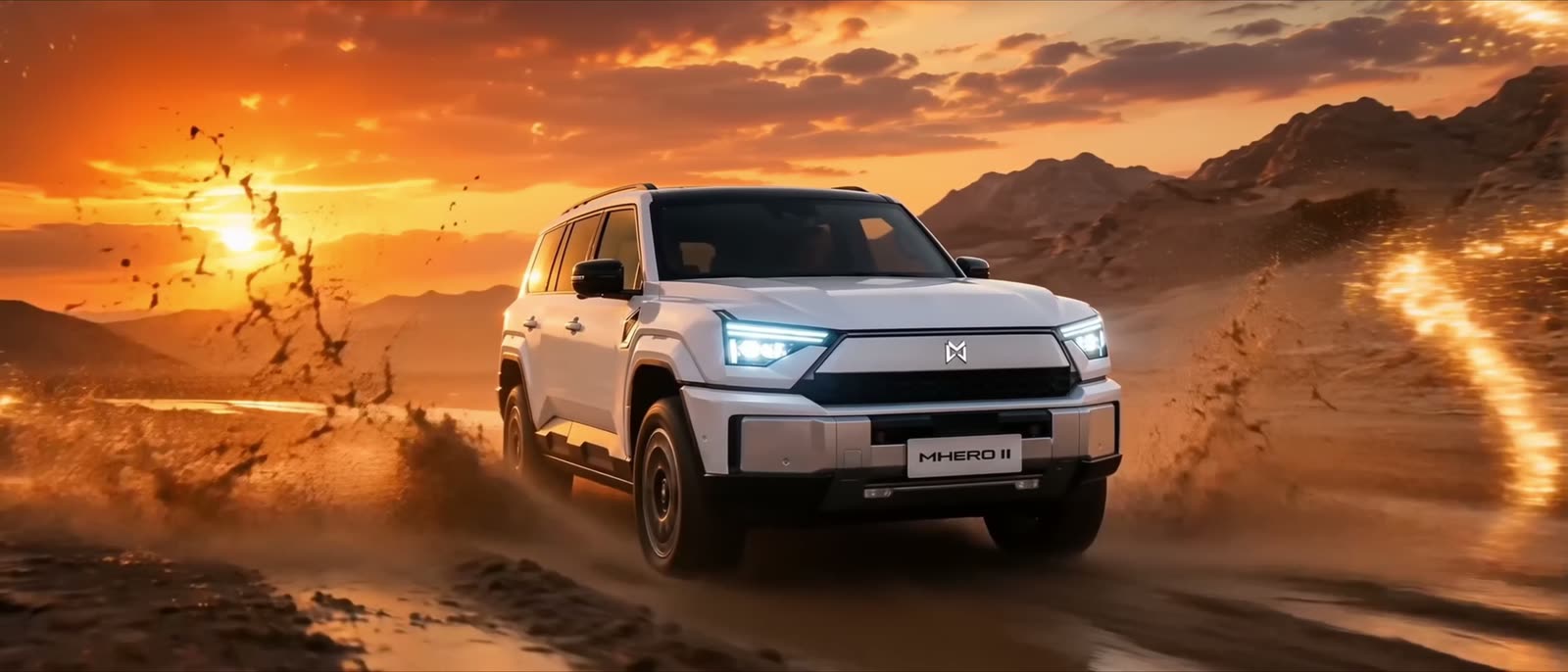
For the M-Hero launch, the film had to fill a wide stage and share the moment with real cars. The car and its changes stay at the centre as the landscapes change.
What to prepare
- One sentence that says what people should feel or remember
- Where the film will play, its exact shape and size, and whether people will hear it
- The final product, logo and colour files, with any rules for using them
- Product pictures from several sides. Details cannot be shown correctly if nobody has seen them.
- Claims the film may make, and anything it must not show
- The names of the people who approve it, and the dates they can do so
Questions to ask any studio about rights
Ask these before production begins, and have your legal team check the answers.
- Which tools will you use, and do their terms allow commercial use in our countries?
- Will our confidential material be uploaded to them? Where is it kept, and is it used for training?
- Does the film use a real person’s face or voice? If it does, where is their permission?
- Who may use the finished film, where, and for how long?
- What are the rights for the music, voices and sound effects?
- Do our market or the places where it will be shown require us to label AI content?