
Planner’s guide · Reveals
How to plan a brand reveal, cue by cue
A reveal lasts a few seconds, but everything before it decides whether it works. Plan backwards: begin with the moment itself, then plan what leads up to it.
Ask us a question All the guides
1. Choose one moment
Finish this sentence before you plan anything else: “When it appears, we want people to feel…”
Choose one thing for the audience to see first, such as the product, the building or the name. If everything appears together, people do not know where to look and photographs have no clear subject.
Decide what the first photograph should show as well. For many guests, that picture is the launch.
2. Plan four cues
Anticipation
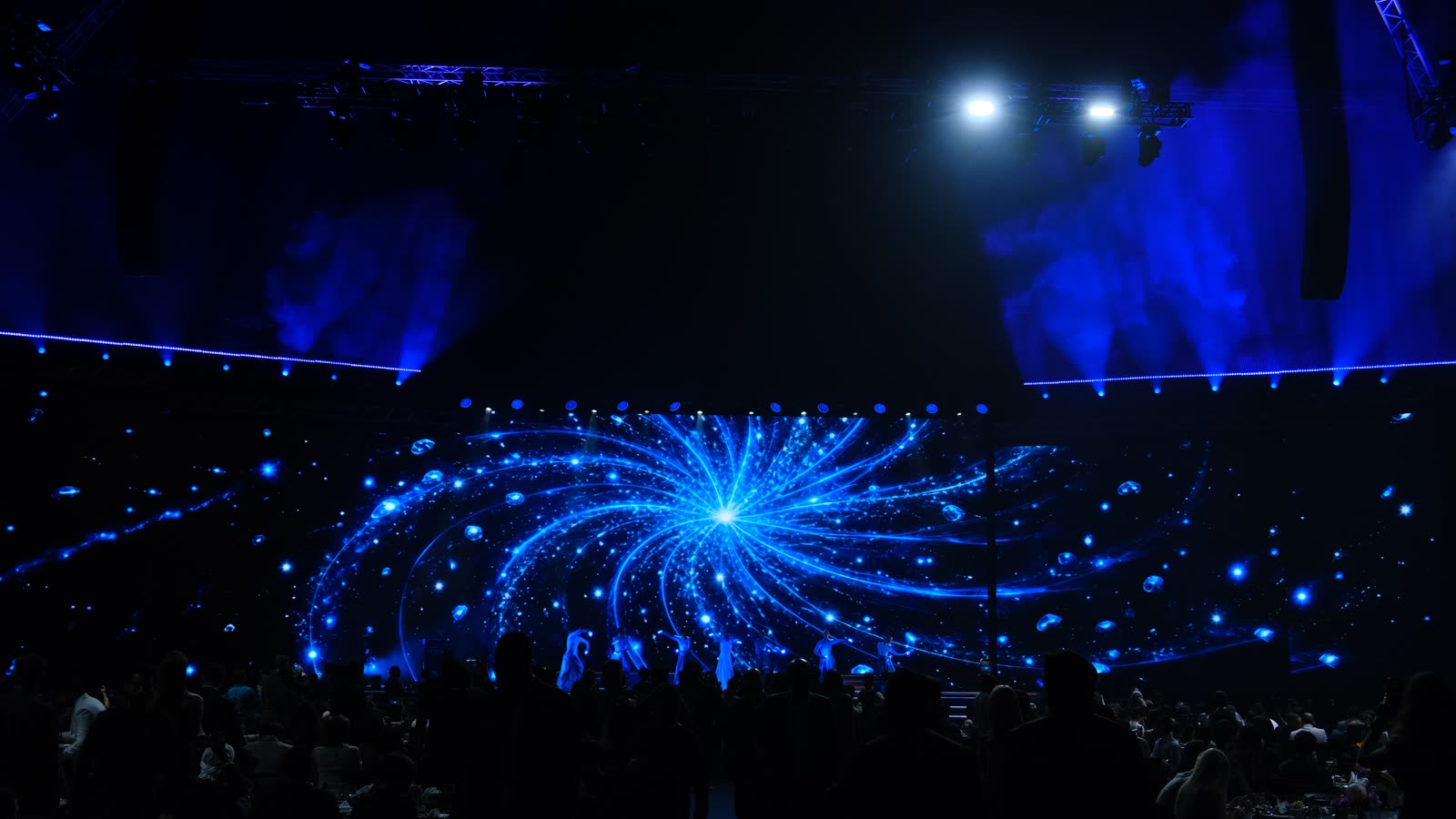
The room changes. The light drops, the sound changes and people stop talking. Leave enough time for that to happen.
Performers in position
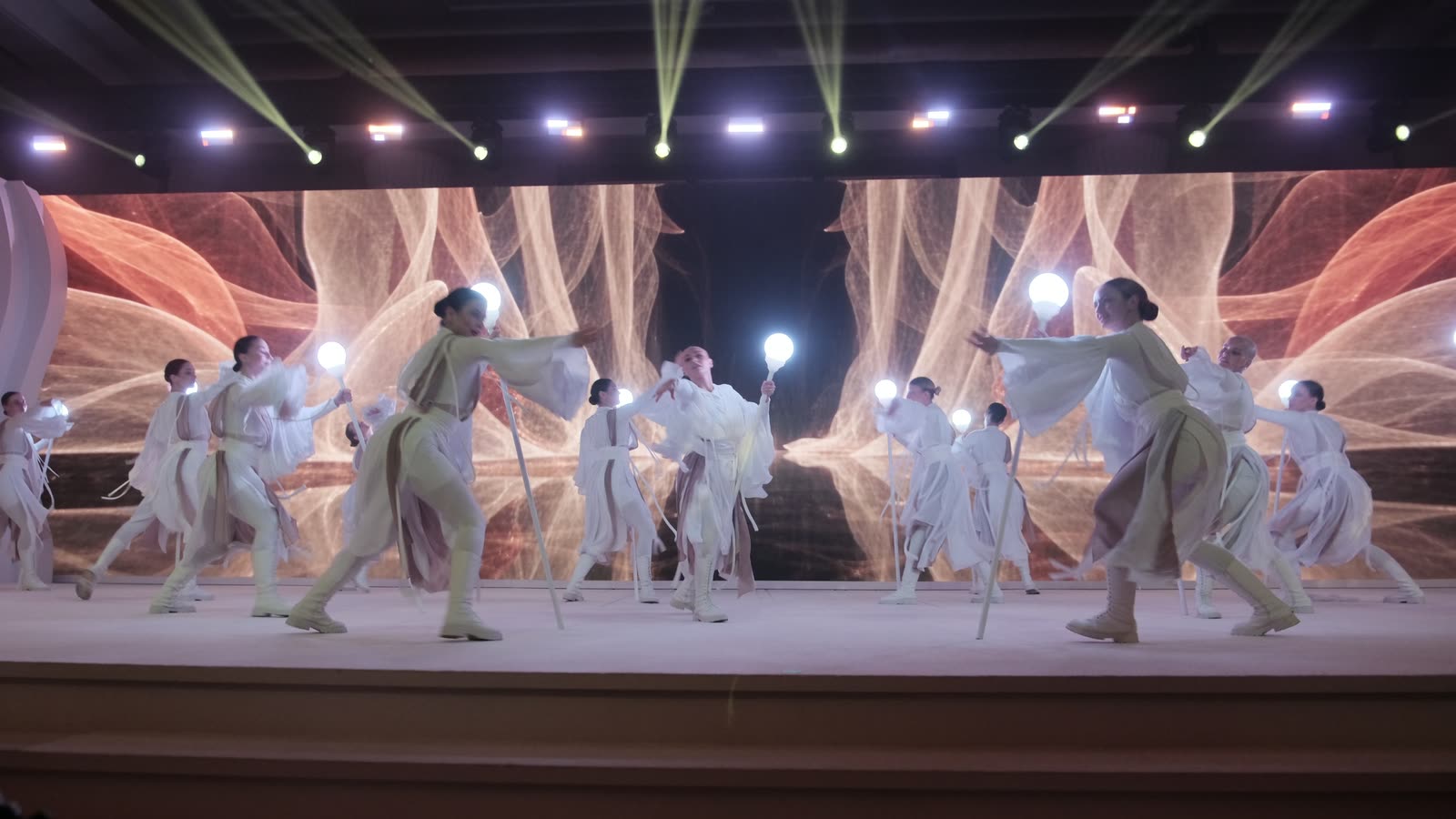
Movement on stage leads every eye to one place, before anything has appeared there.
The cue
The cover, the screens, the light and the music move together. One person calls it.
The reveal
The subject stands in full light. Hold the picture long enough for people to see it, react and photograph it.
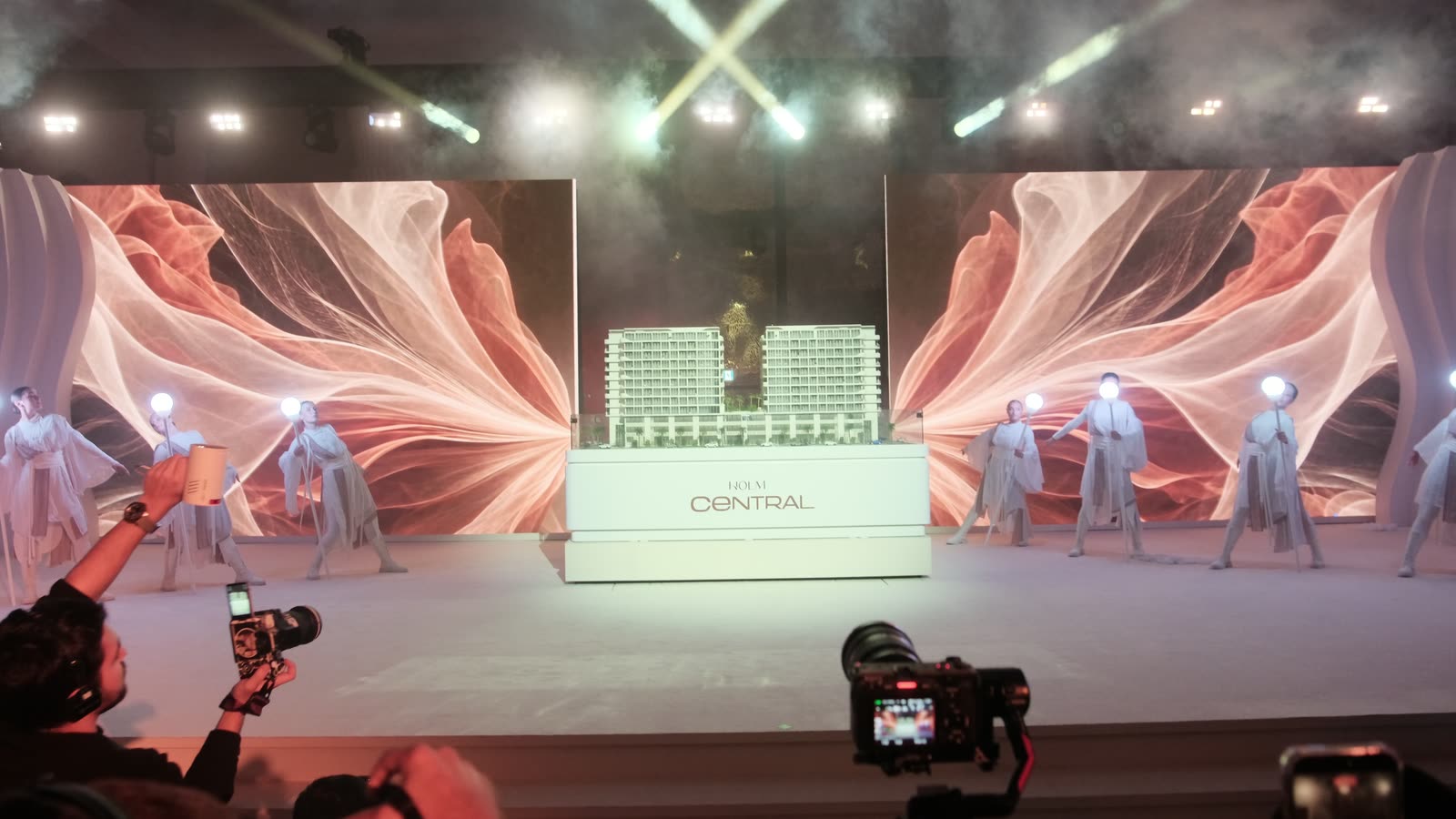
At Holm Central, the two halves of the screen stood apart, smoke filled the gap, and the model appeared as it cleared. At the Freelander launch, two streams of light met, the emblem appeared, and light found the car.
3. Check the room before you fall in love with the idea
- The way in. Measure doors, lifts, ramps and turns, and ask how much weight the floor can hold. A car or a large model has to get to its place and out again.
- The view. Sit in the worst seats, then stand where the photographers will be.
- The dark. Ask which lights have to stay on for safety. They decide how dark the room can be.
- Permits and safety. Ask the venue early about smoke, sparks, fire, drones, flying equipment and changes to the fire alarm. Use licensed specialists.
- Secrecy. Decide who may see the subject, when, and where it will wait.
4. Put everything on one timeline
Music, light, screens, performers, moving scenery and effects need one shared timeline and one person calling it. Separate running orders drift apart, and the reveal is where that shows most.
When music is written for the reveal, its builds and silences can give everyone their cues. For ADX’s 25 years, drones and fireworks were written into the same timecode as the show.
5. Rehearse the failure, too
Rehearse the reveal in the venue with the real object or a full-size stand-in, with the real light and sound. Film it from the audience’s side and watch it back.
Then decide what happens if something does not move. Agree a hold, a backup cue and who makes the decision, and rehearse that version as well.
Common mistakes
- Showing the subject in the invitation, the film or the stage design before the reveal
- Beginning the speeches before people have had time to look
- Making the screen content before the stage measurements are fixed
- Leaving the photographers’ positions until the day
- Treating rehearsal time in the venue as optional